
FRT-15 For Sale: Find In-Stock Drop-In Auto Sears and Complete Triggers
Looking for a compact, plug-and-play thermal imaging solution that won’t break the bank? The FRT-15 for sale is a lightweight, clip-on thermal scope that attaches directly to your daytime optic, turning it into a night-vision system in seconds. It works by detecting heat signatures and displaying them in a crisp, clear image, so you can spot targets in total darkness without any complicated setup. Just mount it, zero it once, and you’re ready to hunt or scout all night long—simple, effective, and ready to ship to your door.
What Exactly Is the FRT-15 and How Does It Function?
The FRT-15 is a drop-in trigger system for AR-15 platforms that replaces your standard fire control group, letting you fire as fast as you can pull the trigger while still using the semi-automatic setting. Mechanically, it uses a unique sear and trigger geometry that allows the hammer to follow the bolt carrier forward after each shot, then reset automatically without you releasing the trigger. When you’re looking at an FRT-15 for sale, the function boils down to a forced reset: the bolt’s forward movement physically pushes the trigger back into the “ready” position, so each trigger pull is a separate, distinct shot—but that reset is so quick it mimics full-auto. For practical use, you just install it with standard pins, and it works with most mil-spec lowers.
The key insight is that it’s not a modification to the firing mechanism’s legality—it’s purely a mechanical reset that relies on bolt travel, not electronics or springs.
So, buying one means getting a drop-in part that turns your rifle into a high-speed shooter while keeping the trigger finger as the only limiter.
The Core Mechanics Behind This Drop-In Trigger System
The core mechanics behind this drop-in trigger system hinge on a sear geometry that permits the hammer to release during the bolt’s rearward travel, not just on the trigger pull. As the bolt cycles, it strikes a trip lever integrated into the trigger housing, which resets the sear without requiring the shooter’s finger to fully release. The forced-reset trigger cycle begins when the trigger is held, the bolt carrier pushes the trip, and the hammer falls again immediately upon forward return. The system’s drop-in nature means the entire assembly—housing, springs, and sear—ships pre-tensioned, requiring no modification. Installation involves inserting the unit into the lower receiver’s trigger pocket, aligning the pins, and verifying the bolt’s trip clearance. This creates a fixed, repeatable firing sequence:
- Trigger pull releases hammer.
- Bolt recoils, striking the trip lever.
- Sear resets; hammer follows bolt forward.
- Next round fires without manual release.

Understanding the Difference Between Forced Reset and Full Auto
When you’re checking out an FRT-15 for sale, the biggest thing to grasp is how a forced reset trigger differs from a true full auto. A full auto sear keeps the hammer falling continuously while the bolt cycles, firing multiple rounds from one trigger pull. The FRT-15, by contrast, uses the bolt’s forward movement to physically reset the trigger, forcing your finger forward—that’s the “forced reset.” You still have to release and pull again for each shot, but the mechanical push makes it feel incredibly fast, mimicking full-auto cadence without the internal auto-sear. The practical difference? You control each shot’s start, but the reset does the work for you.
- Full auto fires until the trigger is released; FRT-15 needs a fresh pull every round.
- FRT-15 relies on bolt momentum, not a sear, to reset the trigger.
- Your finger moves forward with the reset, creating a rhythmic, high-speed cycle.
- No modification to fire control group internals—the trigger itself is the system.
Compatibility: Which AR-15 Platform Receivers Work Best
For the FRT-15 to run flawlessly, mil-spec lower receivers with standard trigger pocket dimensions are your best bet. Brands like Aero Precision, BCM, and Geissele offer the tightest tolerances, ensuring the trigger’s sear engagement aligns perfectly with the hammer. Avoid billet lowers with oversized wot trigger trigger wells or proprietary fire-control groups, as they can create timing issues. The upper receiver matters less, but a snug pin fit prevents carrier tilt; use a quality upper from Daniel Defense or Colt. Drop-in, cassette-style lowers are incompatible—stick to standard mil-spec cuts. If your lower has a reinforced rear takedown pin boss, verify it doesn’t obstruct the trigger’s hammer reset. Test with a cheap lower first, then upgrade.
Key Features to Scrutinize Before You Purchase a Forced Reset Trigger
Before committing to an FRT-15 for sale, scrutinize the trigger’s reset geometry—the distance and force required for the sear to re-engage must match your finger’s natural recovery speed, or you’ll short-stroke. Verify the hammer profile and bolt carrier group compatibility; some lowers require heightened trigger pins or a modified safety selector to avoid binding. Examine the disconnector’s surface finish for burrs that cause intermittent trigger slap, and test the spring tension—too light yields slam-fires, too heavy defeats the forced reset action. Confirm the trigger shoe’s adjustable pre-travel and over-travel range; a fixed shoe may not suit gloved or thin fingers. Finally, inspect the housing’s drop-in fit—any play in the pocket induces timing shifts that turn binary-like pulls into erratic doubles. Ask the seller for slow-motion footage of the reset cycle under live fire.

Material Quality and Heat Treatment in the Hammer and Trigger
When you’re checking out an FRT-15 for sale, the hammer and trigger’s material quality and heat treatment are where the real durability story lives. A proper forced reset stresses these parts harder than a standard trigger, so you want tool steel or at least a high-grade alloy with a consistent, deep case hardening—not just a surface coat that flakes off after a few hundred rounds. Look for a glassy, even color on the sear surfaces; that hints at a controlled austenitizing and quenching process. A soft hammer face will peen and deform under the reset cam’s impact, turning crisp pulls into gritty mush within a single range session. Also, check for witness marks on the trigger’s contact points—polished, smooth wear is fine, but galling or rough spots mean the heat treat didn’t take. That’s the difference between a reliable binary-like feel and a paperweight with a bent hammer pivot.
Spring Tension Adjustments and Their Effect on Reset Speed
When evaluating an FRT-15 for sale, the spring tension adjustments dictate the entire feel of the reset—dialing the hammer or trigger return spring too light causes sluggish follow-through, while excessive tension slaps the trigger forward, breaking your rhythm. Tune the sear spring first; reducing its pressure shortens the reset stroke, letting the trigger pawl re-engage faster, but over-loosening risks hammer follow. Then, adjust the trigger return spring: a stiffer pull snaps the trigger forward with authority, yielding a crisp, rapid reset, but it also increases finger fatigue. For optimal speed, follow this sequence:
- Install the lightest reliable sear spring to minimize friction during re-engagement.
- Increase trigger return tension incrementally until https://rarebreedtriggertx.com/ the trigger audibly clicks forward without bounce.
- Test-fire in bursts, monitoring for any delay between the reset and your next pull—if it lags, reduce return tension by a quarter turn.
The sweet spot is a spring setup where the trigger’s forward travel is almost violent, yet the hammer holds securely—this balance is what separates a gimmick from a truly rapid forced reset system.
Included Components: Pins, Disconnectors, and Installation Tools
When evaluating an FRT-15 for sale, scrutinize whether the package includes hardened steel pins or merely standard roll pins, as trigger group longevity depends on this. Confirm the disconnector is a match-grade part, not a repurposed mil-spec unit, since forced-reset cycling demands precise timing. Installation tools should include a slave pin or pivot jig; without them, assembly risks bending the trigger’s sear surfaces. A kit that omits a disconnector spring—but sells it separately—often signals poor quality control. Compare pin diameters and tool hardness across listings, and reject any bundle that lists “universal” disconnectors without specifying compatibility with your lower receiver’s trigger pocket.

How to Install and Tune Your New Trigger for Reliable Performance
When your FRT-15 for sale arrives, begin installation by ensuring the lower receiver is completely clear of debris and the hammer pin holes are aligned. Drop the trigger pack in place, securing it with the standard trigger and hammer pins, then verify the disconnector sits flush against the bolt carrier’s trip ledge. Tuning for reliable performance starts with the selector: set it to the “F” position and manually cycle the charging handle to confirm the sear resets without binding. Adjust the hammer spring tension—lighter springs cause light primer strikes, while overly heavy springs slow the cyclic rate and induce drag. Fire a few rounds in semi-auto first to confirm reset, then switch to the forced reset position; if you experience hammer-follow, slightly increase the trigger spring preload or polish the sear engagement ps90 frt trigger surfaces. Each lower’s tolerance stack varies, so expect to micro-adjust the over-travel screw until the trigger breaks crisply without pre-travel slack. Test with a full magazine of standard-pressure ammunition, and inspect the disconnector wear pattern after 50 rounds to ensure even, repeatable contact.
Step-by-Step Drop-In Installation Without a Gunsmith
Begin by verifying the receiver is clear and the hammer is forward. For a **drop-in trigger installation without a gunsmith**, remove the rear takedown pin and pivot the upper assembly forward, then lift out the existing trigger group as a single unit. Align the new FRT-15’s pin holes with the receiver’s sockets, press it firmly into place, and reinsert the rear pin. Ensure the selector rotates through safe, semi, and forced-reset positions without binding. Cycle the charging handle to confirm the hammer resets under spring tension. No fitting, filing, or sear adjustment is required—the housing is pre-tuned for the mil-spec pocket. If the trigger fails to reset, remove and reseat it, checking for debris in the pin channels.
Drop-in installation replaces the entire trigger group in minutes, requiring only pin removal and reinsertion—no gunsmithing, no permanent modifications.
Buffer Weight and Spring Combinations for Consistent Cycling
For consistent cycling with your FRT-15, start with a standard carbine buffer (3.0 oz) and rifle spring; if bolt bounce or short strokes occur, step up to an H2 (4.6 oz) with a flat-wire spring to smooth carrier return. The trigger’s sear reset depends on the bolt fully returning—too light a buffer (2.5 oz) causes premature unlocking and hammer follow, while rare breed triggers in stock too heavy (H3/H4) slows cyclic rate and risks failure to reset. Test 5-round strings, adjusting one variable at a time. Pairing an H2 with a reduced-power spring (11 lb) often yields the most reliable lock-time for suppressed or pistol-length gas systems. Avoid adjustable buffers unless you log each setting.
Lubrication Points That Prevent Misfires and Stuck Triggers
For an FRT-15 for sale install, the sear engagement surfaces and trigger track demand a thin, high-pressure grease; oil burns off rapidly, leaving carbon that causes stickiness. Apply grease to the hammer’s cam pin channel and the trigger’s curved reset ramp, where friction spikes during forced-reset cycling. A dry or over-lubricated disconnector lug will skip, producing light primer strikes that mimic misfires. Wipe the trigger pivot pin clean before applying one drop of oil, as excess here attracts powder residue that gums the return spring. Finally, coat the bolt’s rear lug contact patch with molybdenum grease—this prevents the trigger from hanging rearward after the hammer falls, especially under rapid fire.
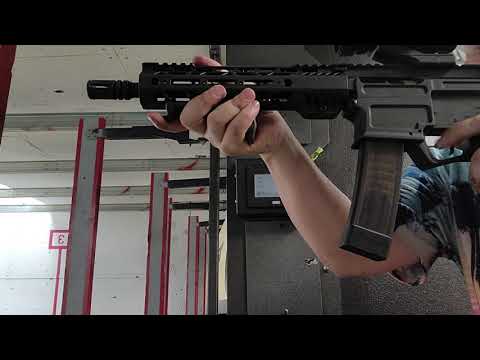
Shooting Techniques and Drills to Master the Forced Reset Action
To maximize control with your frt-15 for sale trigger, master a firm, consistent grip and a straight-back pull, resisting the urge to jerk. Begin with slow, deliberate singles to imprint the reset point, then progress to controlled doubles, focusing on sight-picture recovery between shots. For rapid fire, practice the “bump-and-hold” drill—maintaining forward pressure on the lower while your support hand drives the rifle—to keep the muzzle flat. Dry-fire repetitions are critical for shooting techniques and drills to master the forced reset action, as they build muscle memory for the trigger’s short, snappy reset. Finally, run failure drills (e.g., mag swaps) under a timer, ensuring your trigger finger stays indexed off the guard until aligned, preventing accidental bumps that skip the reset cycle.
Proper Grip and Trigger Finger Placement for Rapid Successive Shots
Mastering rapid successive shots with an FRT-15 begins before you squeeze—your support hand must lock the receiver with firm, lateral pressure while your trigger finger rides the shoe at the exact pad-to-distal crease junction. For forced reset action, keep the finger indexed high on the trigger face and let the reset travel be minimal; do not slap or jerk, as that disrupts the bolt’s cyclic timing. A death grip causes micro-muscle tremors that throw follow-up shots off target. Instead, maintain a 60/40 strong-hand to support-hand pressure ratio. Your trigger finger should stay in constant, light contact during the entire reset cycle—never lift it off. This ensures each shot breaks crisply the instant the action resets, eliminating wasted time and lost aim.
Q: What is the most common finger placement error for rapid successive shots with an FRT-15?
A: Using the finger’s first joint crease instead of the pad—this increases trigger travel, slows your cadence, and causes yanked shots. Keep the pad centered, and your forced reset tempo will feel almost mechanical.
Controlling Muzzle Rise While Firing at Maximum Reset Speed
At maximum reset speed, your FRT-15’s disruptive rhythm turns muzzle rise into your primary enemy. Controlling muzzle rise while firing at maximum reset speed demands a relentless forward lean, driving your support hand’s thumb along the rail toward the muzzle brake. Lock your wrists rigid; let your shoulders absorb the cyclic torque instead of your elbows. Keep the reticle’s bounce within a tight fist-sized circle—if the front sight climbs past the target’s chest, you’re gripping too softly. Pulse your trigger finger with the bolt’s frt 15 trigger slam, not against it, and exhale steadily through each burst. A vertical foregrip canted slightly rearward gives you the mechanical leverage to shove the muzzle back down before the next round fires.
Mastering muzzle rise at max reset speed means locking your body into a rigid forward frame, using support-hand leverage and wrist torque to pin the bore flat—not chasing the climb, but preventing it before the next bolt slam.

Common Malfunctions: How to Diagnose and Clear a Double Feed
A double feed with an FRT-15 usually means the bolt stripped a fresh round while the spent case was still stuck, often from weak ammo or a worn extractor. To diagnose, lock the bolt back and inspect: if two cartridges are wedged nose-up, that’s a classic double feed. Clear it by stripping the mag and racking the charging handle twice—do not mortar the rifle, as that can bend the feed lips. If the bolt won’t move, drop the trigger pack and dislodge the rounds manually. Practicing this drill with snap caps prevents panic-induced damage when it happens live.
- Always remove the magazine before attempting to clear, so the top round doesn’t re-engage.
- Check the extractor claw for carbon buildup—a dirty claw is the #1 cause of FRT-15 double feeds.
- Use a chamber flag after clearing to verify no debris remains before reinserting a mag.
Practical Buying Guide: What to Look For in a Quality FRT Unit
When evaluating an FRT-15 for sale, prioritize the trigger group’s material composition—quality units use billet steel or hardened aluminum, not cast metal, to prevent premature wear. Inspect the sear engagement surfaces for a polished, uniform finish; rough edges cause trigger pull inconsistency or unintended reset issues. Verify the unit’s fitment tolerance against a mil-spec lower receiver; excessive wobble indicates poor machining, while a snug fit ensures reliable cycling. Check the hammer spring weight—a heavier spring may cause light primer strikes with certain ammo, so request the exact spring rate from the seller. Also, confirm the FRT-15 includes a reinforced cam path that resists deformation under rapid fire. Before purchase, ask: “Does this unit pass a dry-fire reset test without binding, and what replacement parts are available?” Finally, inspect the pin holes for chamfered edges to avoid receiver damage during installation.
Brand vs. Generic Versions: Which One Offers Better Longevity
When weighing brand vs. generic FRT-15 longevity, the difference lies in material hardness and heat-treatment consistency, not just branding. Name-brand units (e.g., from established OEMs) typically use certified 4140 or 4340 steel with verified Rockwell ratings, ensuring the sear and trip surfaces resist peening over thousands of rounds. Generic versions may cut costs via softer alloys or inconsistent case-hardening, leading to premature trigger-housing wear. To assess real longevity:
- Check the bolt lug engagement area for a polished, non-porous finish—rough castings indicate faster erosion.
- Confirm whether the hammer strut is machined or MIM—machined survives stress better.
- Compare warranty terms; a 1-year generic warranty often signals lower durability expectations versus a lifetime brand guarantee.
Ultimately, a generic can last if you run it dry and gently, but a brand unit tolerates neglect and rapid fire without stretching the firing-pin channel.
Warranty, Return Policy, and Customer Support When the Trigger Fails
When the trigger fails, your recourse depends entirely on the vendor’s written terms. A quality FRT-15 warranty should cover sear breakage or spring fatigue for at least one year, with a clear process for diagnostic photos before shipping. Verify return policies allow a replacement unit, not just a repair, if failure occurs within 30 days. Avoid sellers who require you to pay inbound shipping for a defective part. Customer support matters most after hours: confirm a live phone line or email response within 48 hours, and check if they offer a loaner unit while yours is being assessed. Document your purchase date and serial number immediately.
Accessories That Enhance Your Experience: Ammo Types and Magazines
When evaluating an FRT-15 for sale, pairing it with the right ammunition and magazines directly impacts reliability. The forced-reset trigger’s rapid cycling demands quality magazines with robust feed lips to mp5 frt trigger prevent misfeeds under high-speed operation. Stick to factory-loaded, round-nose ammunition with consistent crimp, avoiding flat-tipped or lightweight defensive loads that can cause bolt-over-base jams. Durable steel or reinforced polymer magazines with anti-tilt followers maintain consistent spring tension, reducing double-feeds. Additionally, pre-loading magazines to 80–90% capacity eases spring compression, ensuring smoother feeding during repeated reset cycles. Test multiple ammo brands to identify which combinations cycle your FRT unit most consistently.
- Use brass-cased, 55–62 grain FMJ ammunition for optimal feeding.
- Select magazines with anti-tilt followers and stainless steel springs.
- Load 5–10 rounds less than maximum capacity to reduce spring bind.
- Test at least three ammo types to find your unit’s ideal pairing.